






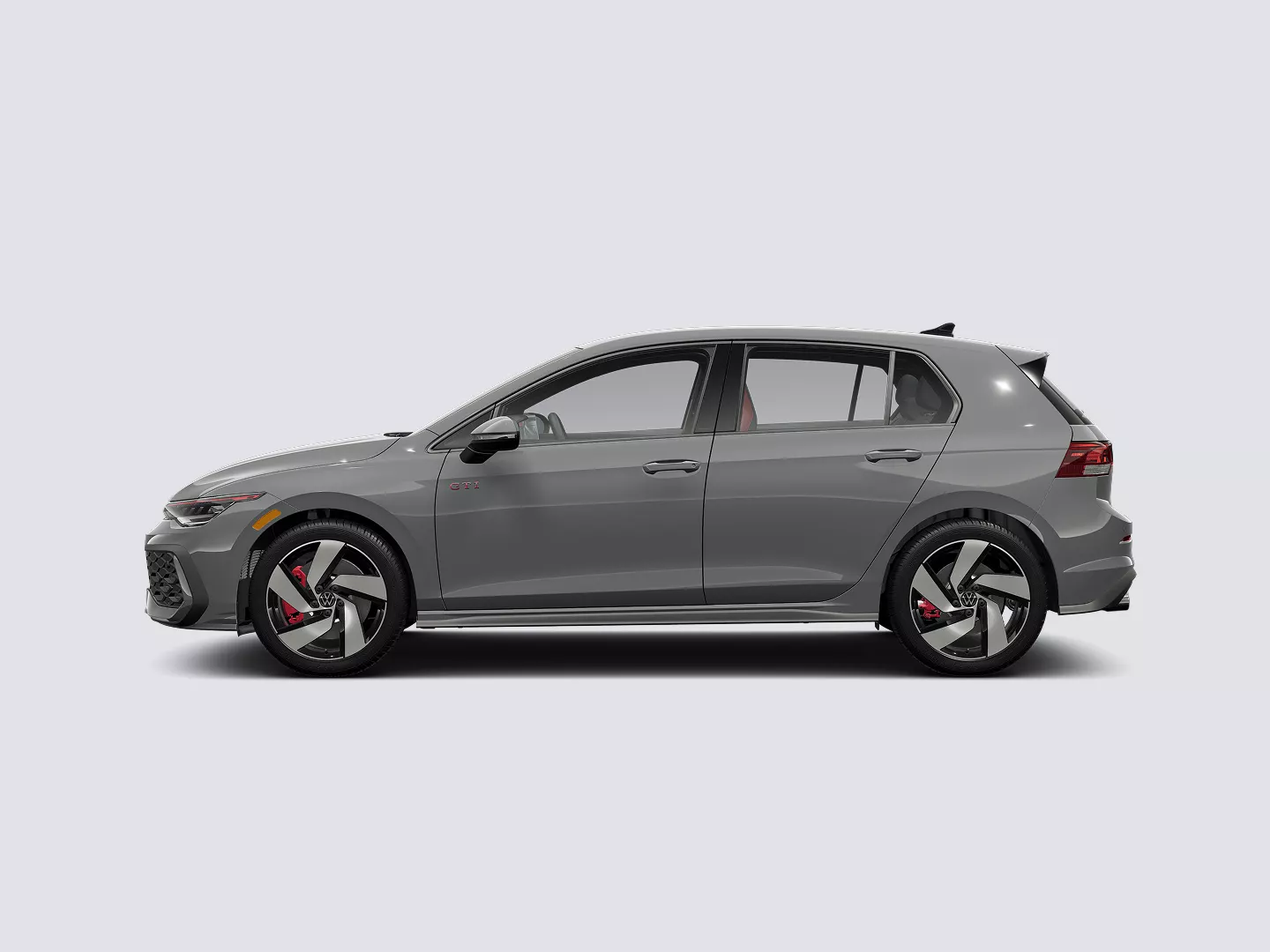
2026 Volkswagen Golf GTI
3
Miles Per Gallon
Est. 24/32 City/Highway
Starting MSRP
$34,590
Available
DCC Adaptive Chassis Control
Standard
12.9” touchscreen display
2026 VW Golf GTI Trims
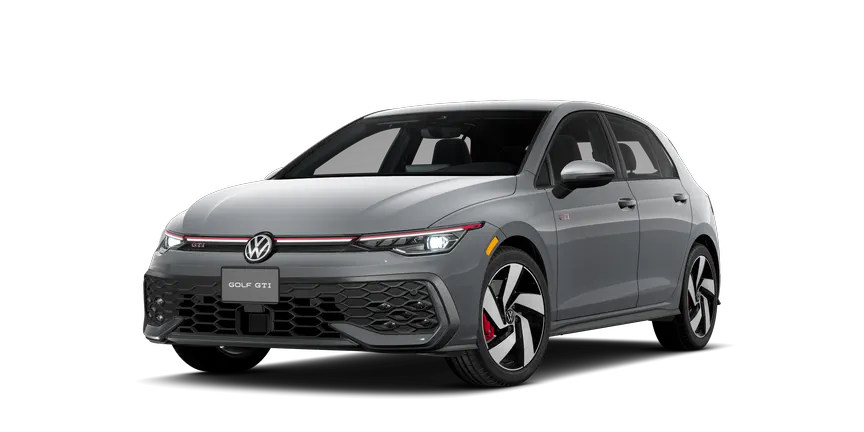
S
Starting at $34,590
Highlights
- Adaptive Front Lighting System (AFS)
- VAQ Limited Front Slip Differential Lock
- 18″ alloy wheels w/ all-season tires
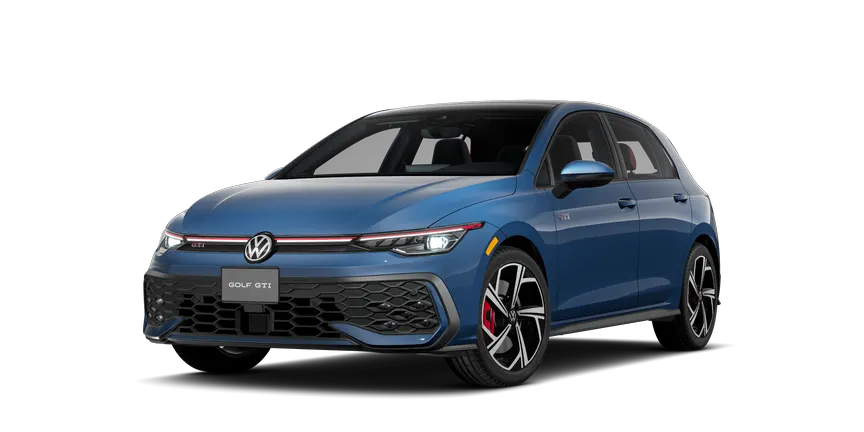
SE
Starting at $39,080
Highlights
- Harman Kardon® premium audio system
- Power tilting & sliding panoramic sunroof
- KESSY® keyless access with push-button start/stop
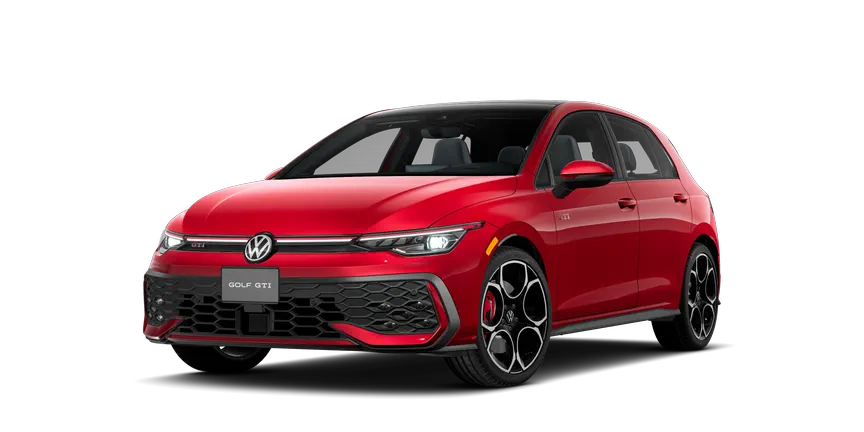
Autobahn
Starting at $42,480
Highlights
- 19″ alloy wheels w/ summer performance tires
- Head-Up Display (HUD)
- Ventilated front seats
Performance
Putting driving experience first
We put passion into our engineering so you can drive with passion, wherever you’re going. How? With 241 hp and 273 lb-ft of torque and available Multimode DCC and Adaptive Chassis Control. And 0 to 60 in 6.0 seconds.
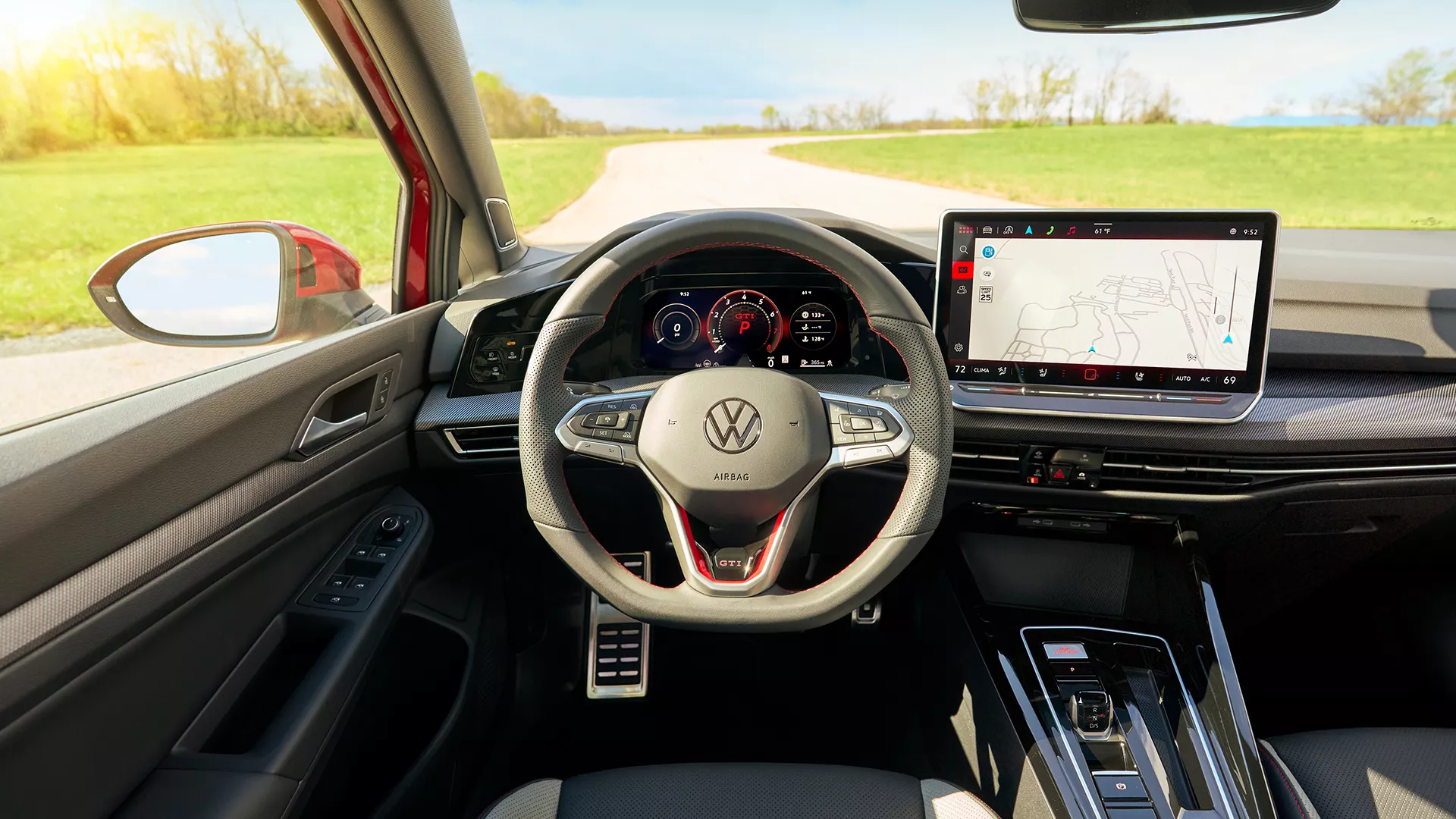
7 speed DSG transmission with steering-wheel-mounted paddle shifters
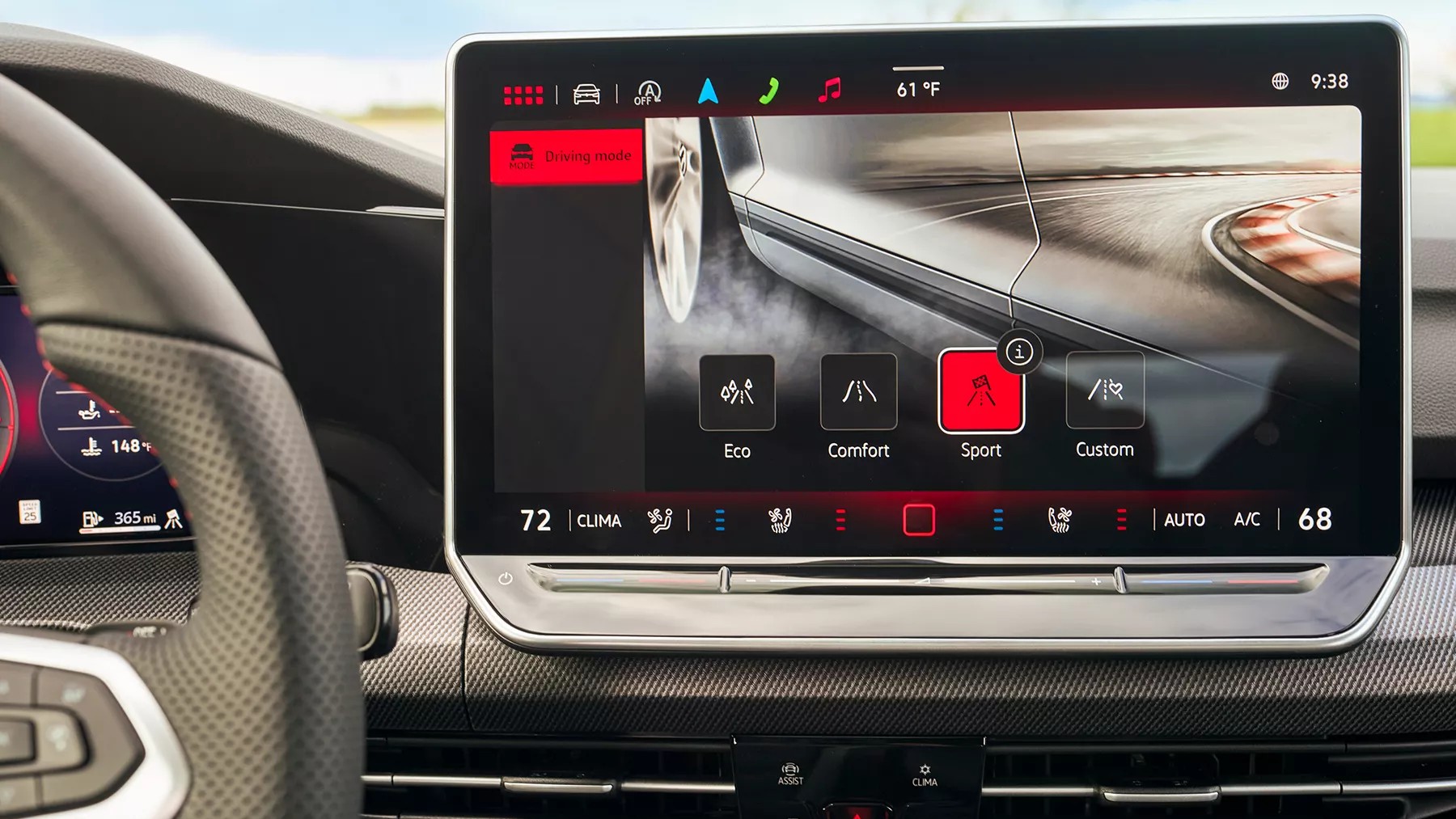
Digital Driving Tools
Design
Dream car looks, everywhere you look
The hot hatchback design draws you in, the details make it clear: The Golf GTI was built for serious fun.
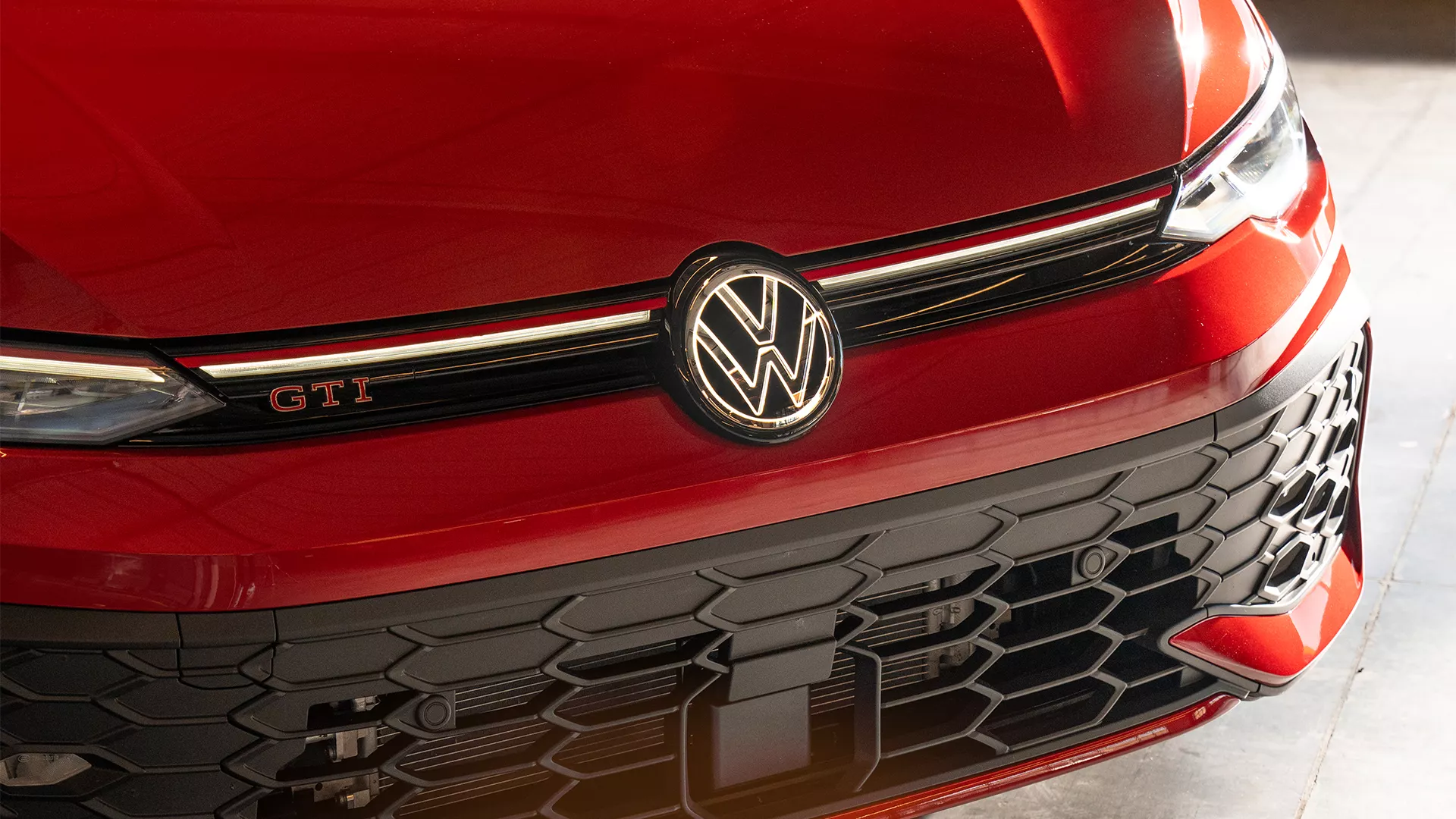
Front grille-integrated light bar and illuminated VW logo
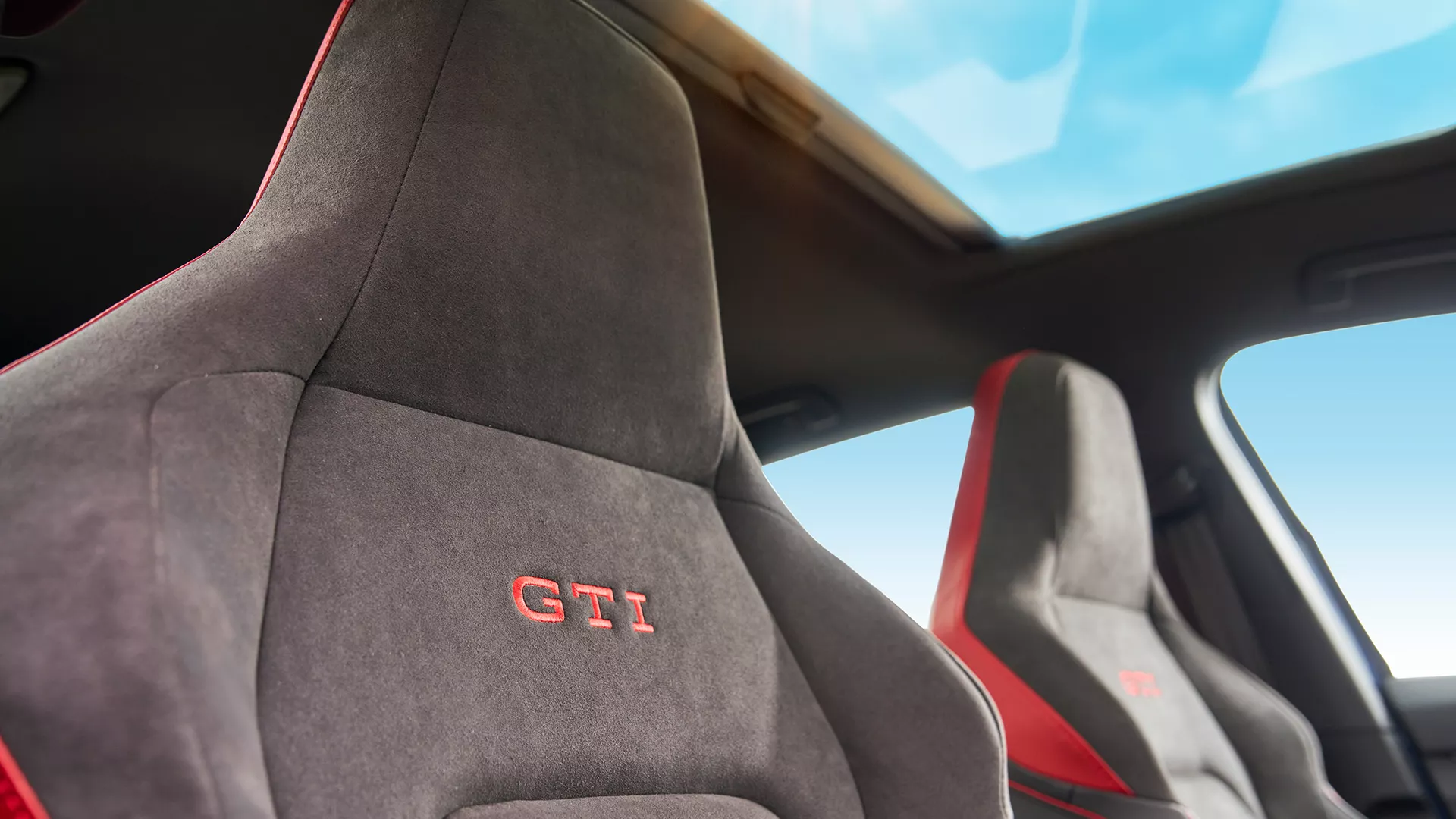
Available GTI Clubsport ArtVelour seating surfaces
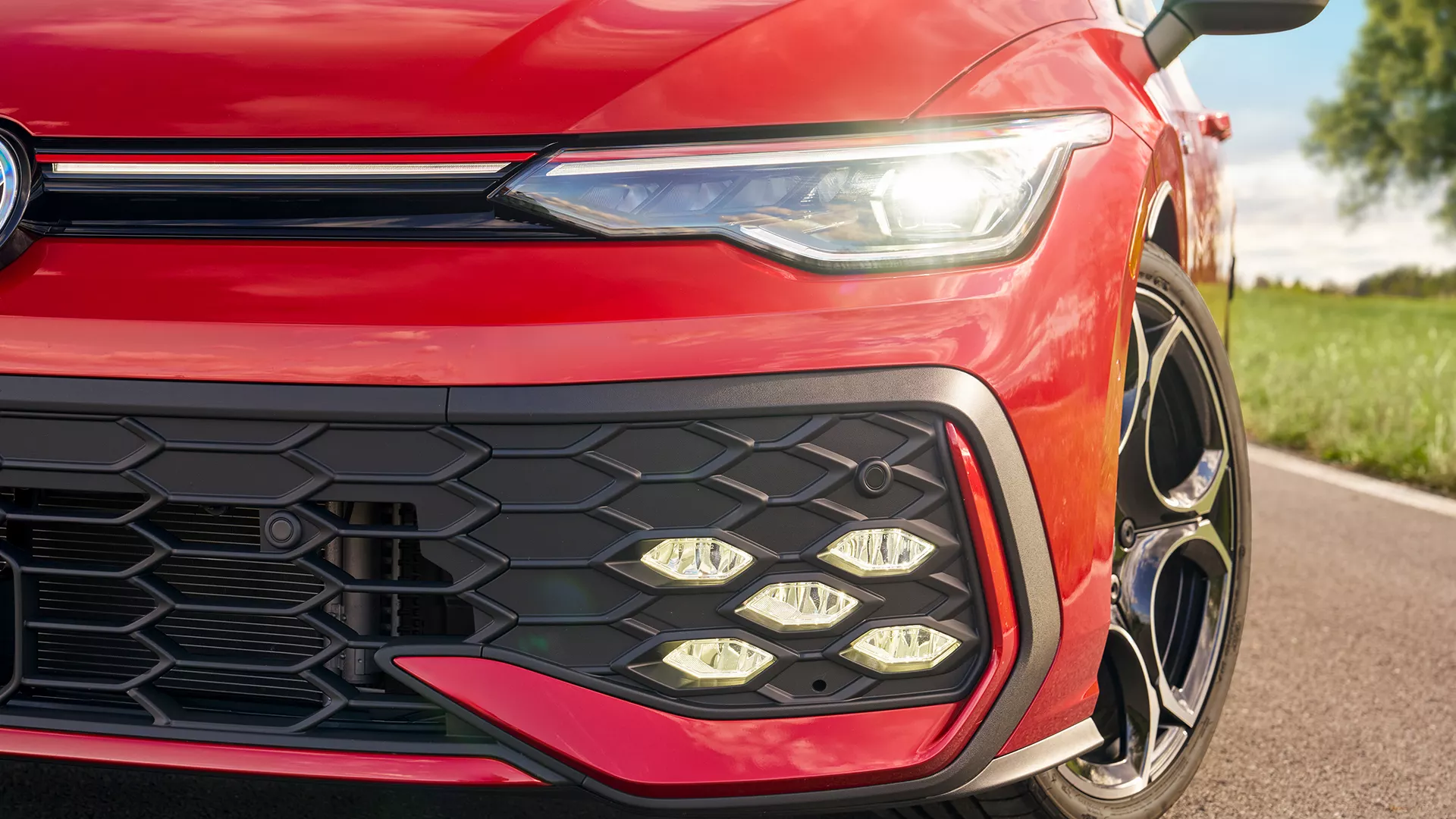
LED headlights with Adaptive Front Lighting System (AFS) and Dynamic Cornering Lights
Technology
Customizable, convenient, clear
These instruments are in tune with you and the way you drive, making it easier for you to pay attention to the fun part—driving.
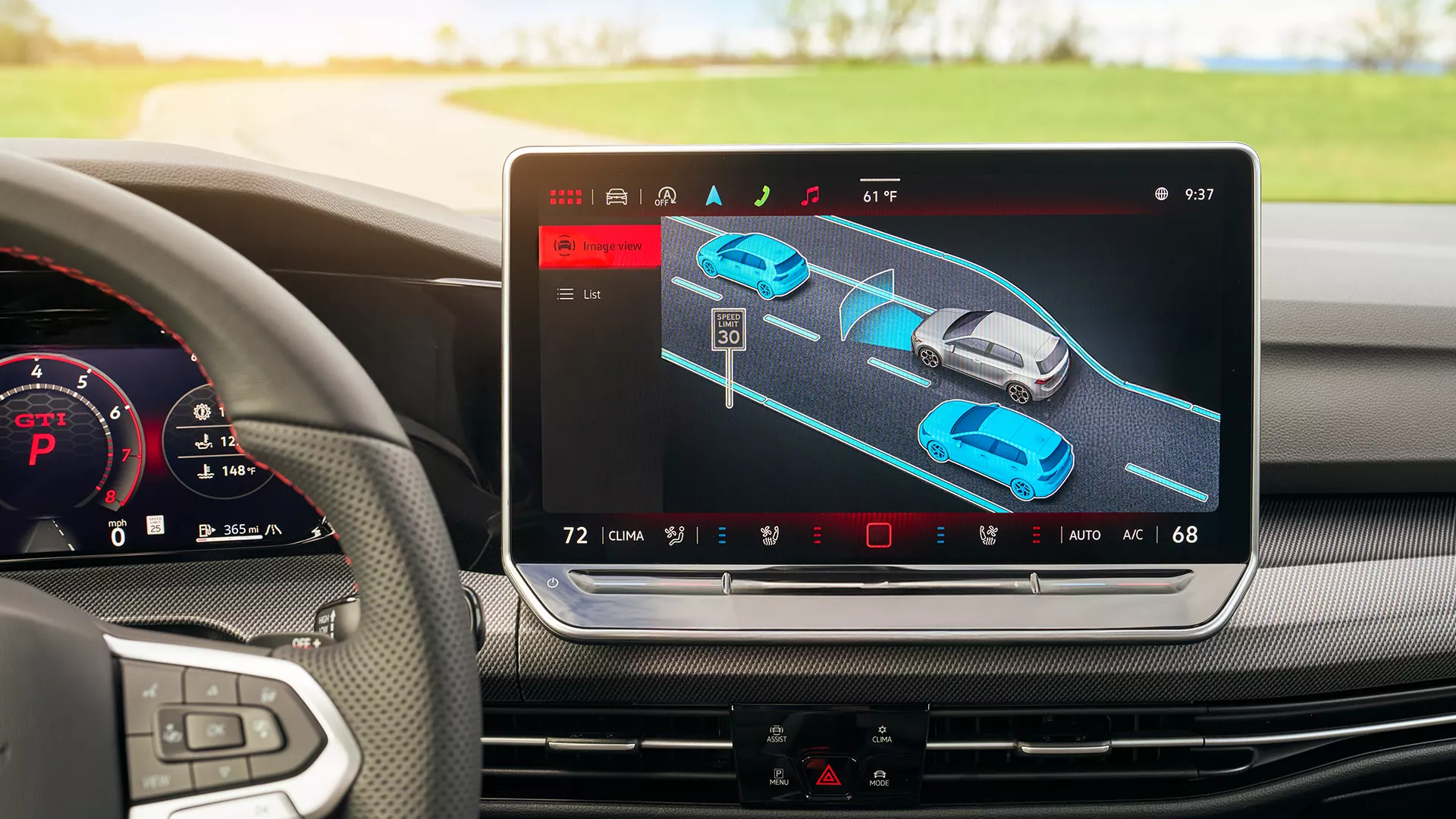
12.9″ floating touchscreen display with navigation
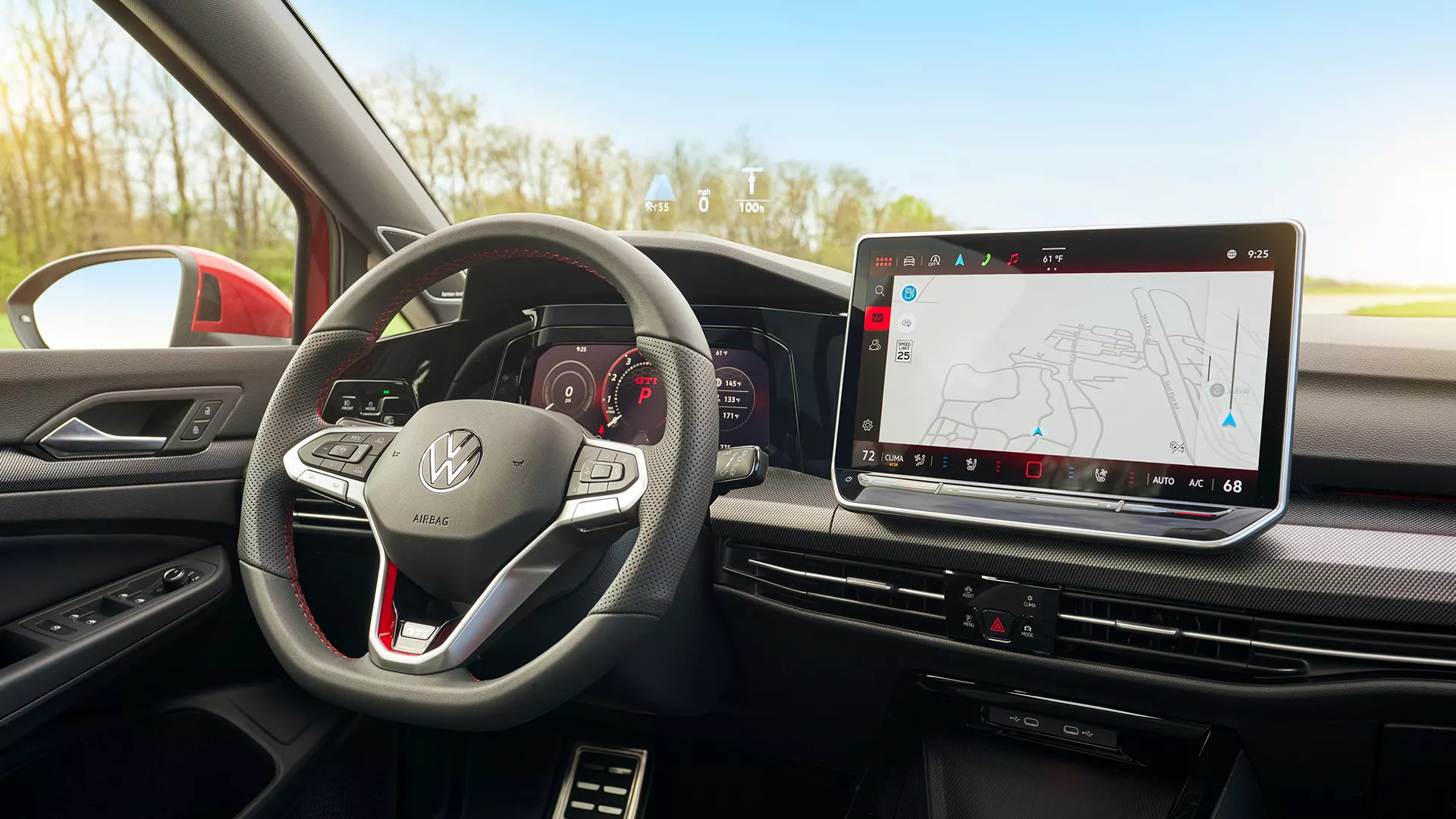
Available Head-Up Display
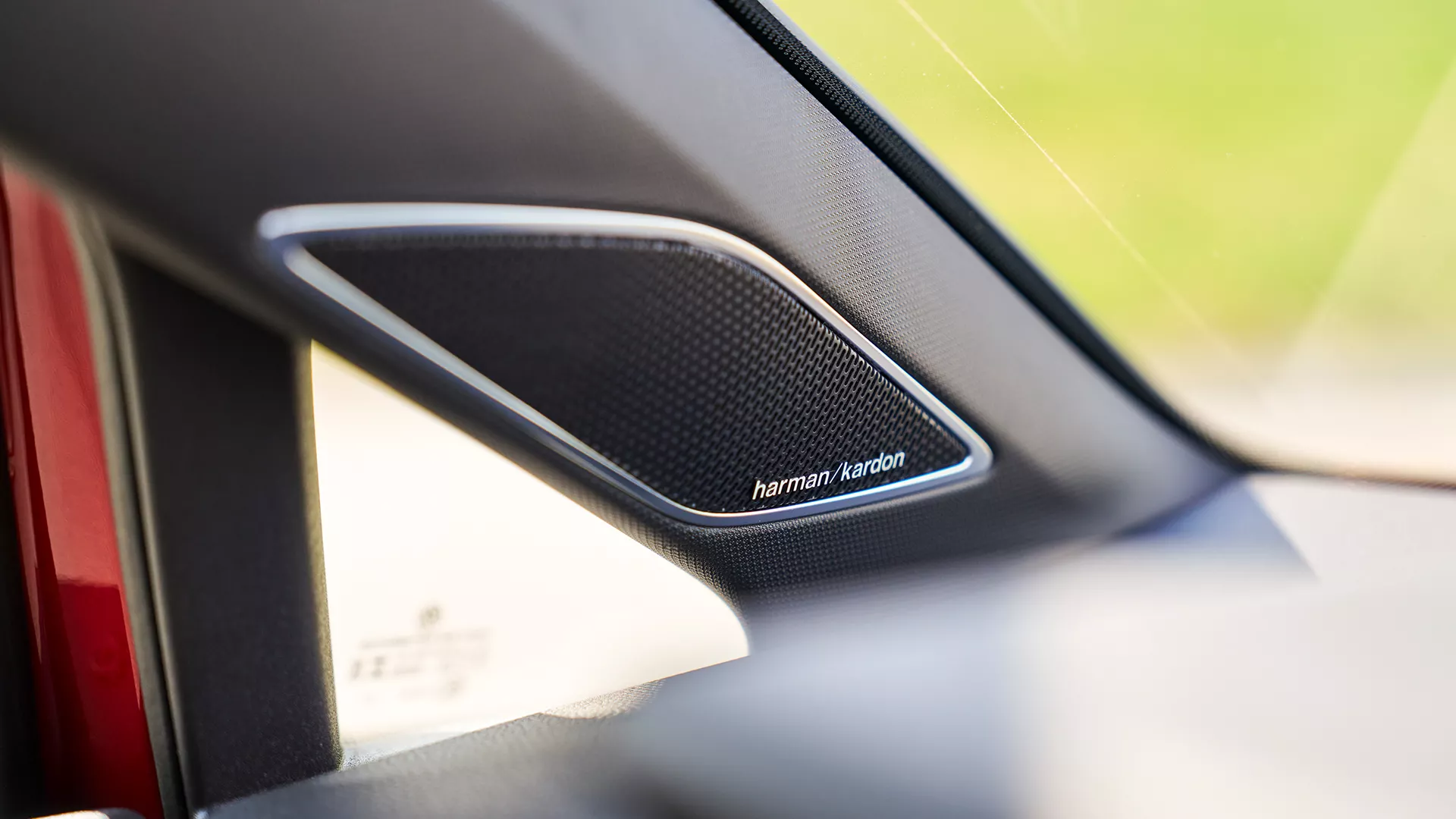
Available Harman Kardon premium audio system
IQ. Drive
Drive peace of mind with driver assistance technology that helps enhance safety.
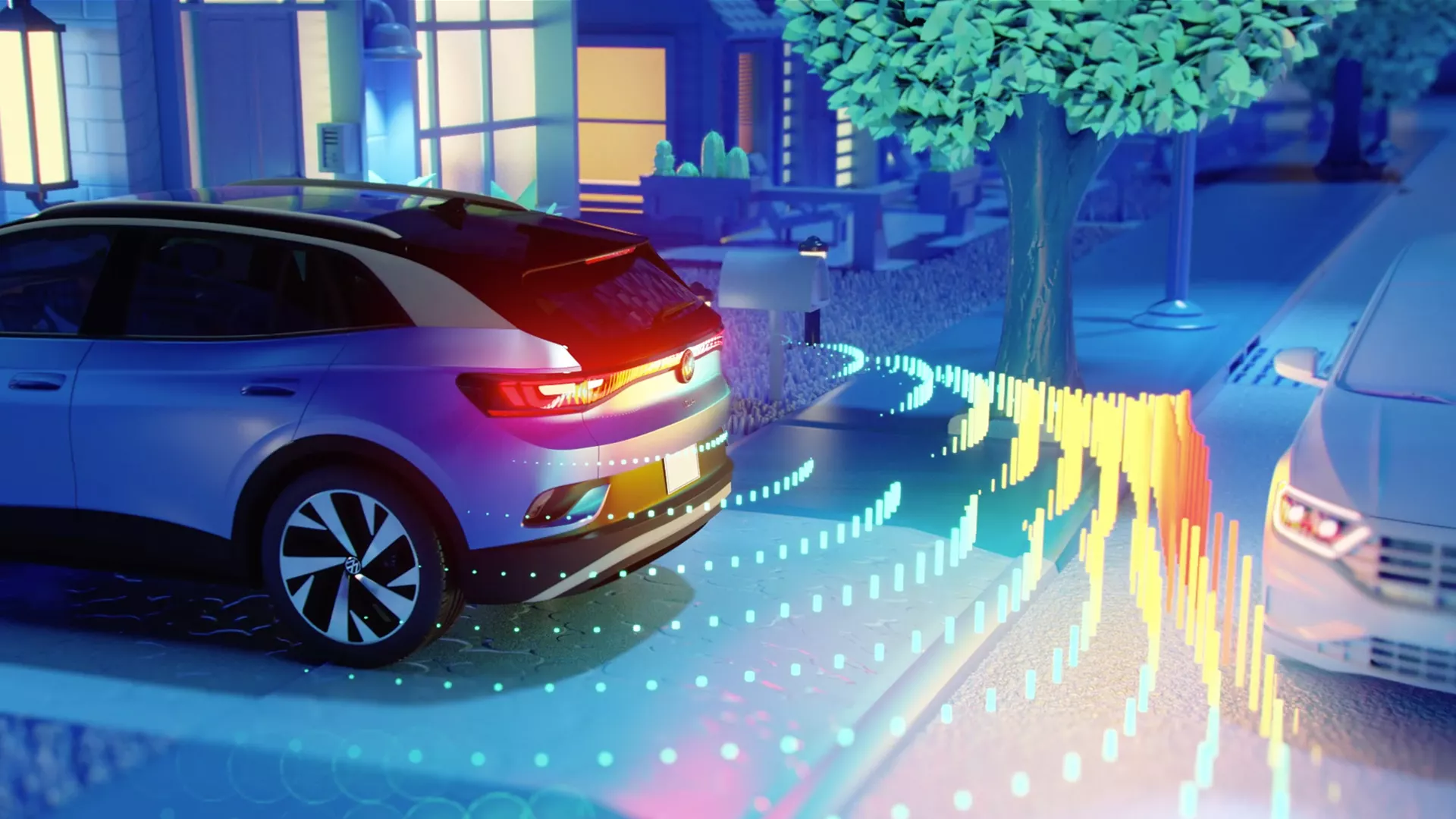
Smart driver assistance technologies to get from A to B
Available on select vehicles, IQ.DRIVE technology provides intelligent support to enhance the safety and convenience of your every day drive. With hands-on semi-automated capability, IQ.DRIVE assists with the most burdensome parts of driving, allowing you to focus on the road ahead. These features offer innovative technologies that make it easier to get from A to B while enhancing the safety of you and those around you. As a collection of driving features, IQ.DRIVE simplifies the tasks of driving, providing you with a smarter driving experience.
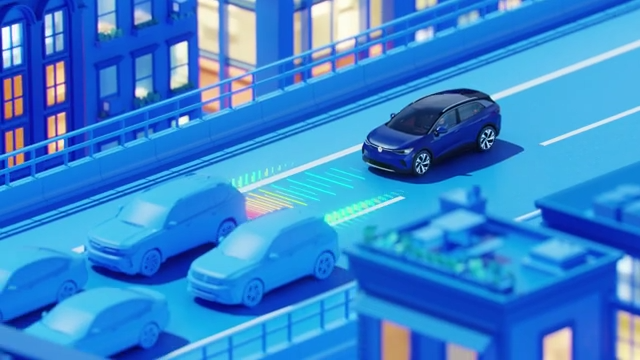
Travel Assist
Driving with some help behind the wheel, from steering support to speeding up or slowing down, Travel Assist helps keep you safer on the road.

Adaptive Cruise Control (ACC)
When the road gets busy, Adaptive Cruise Control keeps things cruising. When dealing with traffic on the highway, it uses sensors to detect vehicles ahead of you, helping adjust your speed, and manages the distance between you and what’s in front of you, adapting to the situation you’re in.
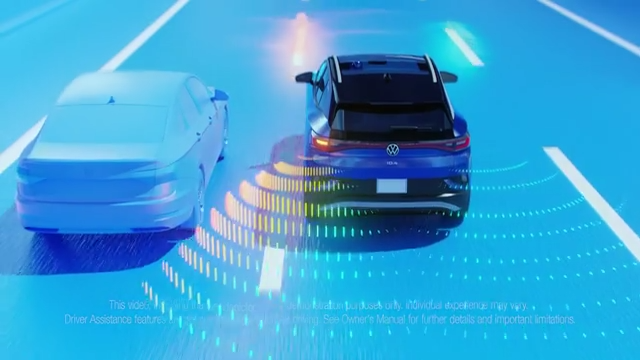
Active Blind Spot Monitor
When you’re focused on the journey ahead, Active Blind Spot Monitor can help by alerting you when another vehicle may be hiding in your blind spots and helping counter-steer when necessary.

Front Assist
Even when we’re driving at our best, we still need to keep an eye out to avoid collisions with other cars, pedestrians, or cyclists in front of us. Thankfully, Front Assist monitors the road ahead to identify risks of potential collision. It will first provide an alert and then automatically apply the brakes, if necessary.
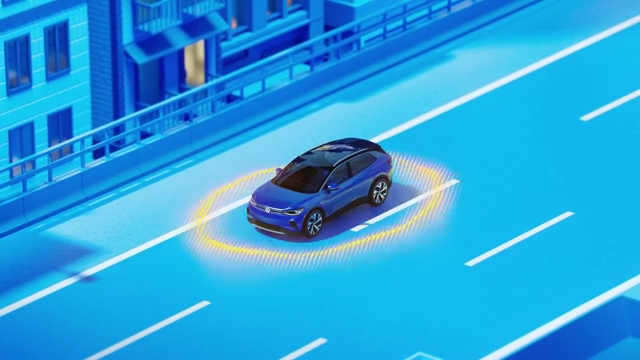
Emergency Assist
When Travel or Lane Assist is active and something serious happens where you lose the ability to drive, Emergency Assist helps safely bring the vehicle to a stop and will contact assistance for you.
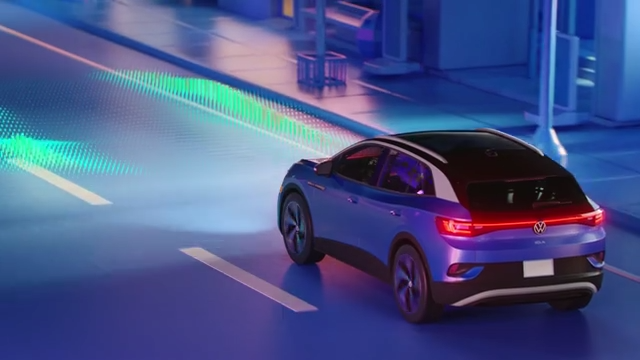
Lane Assist
Lane Assist is a camera-based system that helps keep the vehicle from going over the traffic lines. It activates when driving above 35 mph on roads with visible markings and can warn the driver and counter-steer if necessary to help ensure you stay in your lane.
Safety
A lot goes in before you do

Rear View Camera System.
Benefit from the view of a wide lens while you’re reversing. It can help you see obstacles when backing up. It’s a little extra help where you want it.

Intelligent Crash Response System (ICRS)
In the event of a collision that deploys the airbags, the ICRS can, in certain circumstances, turn off the fuel pump, turn on the interior lights, unlock the doors, and activate the hazard lights. It helps react if you might not be able to.

Automatic Post-Collision Braking System
Not every collision brings a car to stop. That’s why our vehicles include the Automatic Post-Collision Braking System. It can also help slow the vehicle down after a collision, helping reduce the chance of any additional impacts.
Safety Cell
Front and rear crumple zones help absorb crash energy, while a rigid safety cell helps distribute forces away from the driver and passengers.
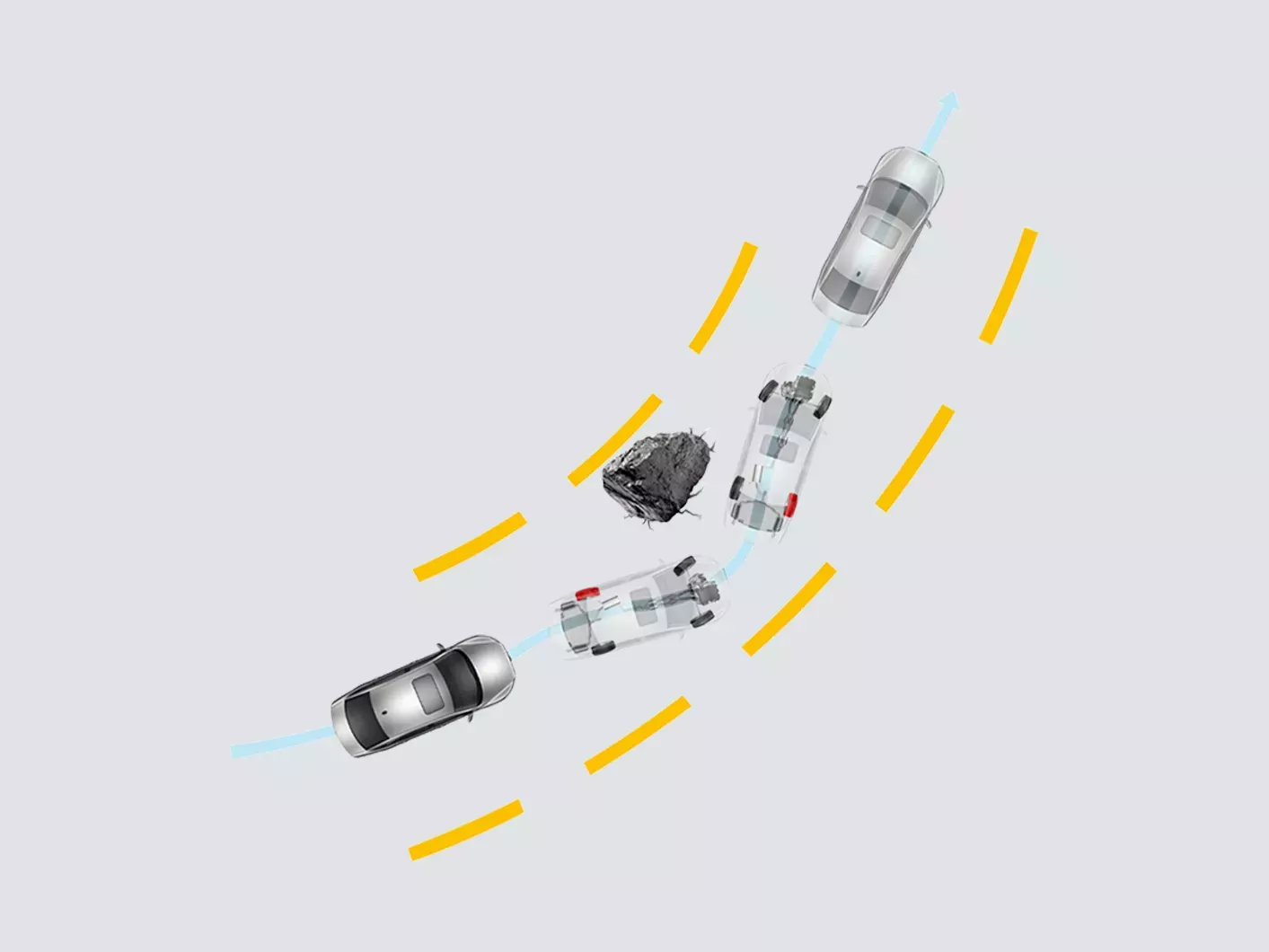
Six stability-enhancing systems
From Electronic Brake-pressure Distribution (EBD), which helps maintain appropriate stopping power during a hard-braking situation, to Electronic Stability Control (ESC), which can adjust engine throttle and apply corrective forces to the wheels that need them most, your vehicle is equipped with a total of six stability-enhancing systems.